
Free on-site gate assessment - hinges, posts, and your LiftMaster or Nice gate operator checked before anything is quoted
The assessment is free and the quote is the invoice.
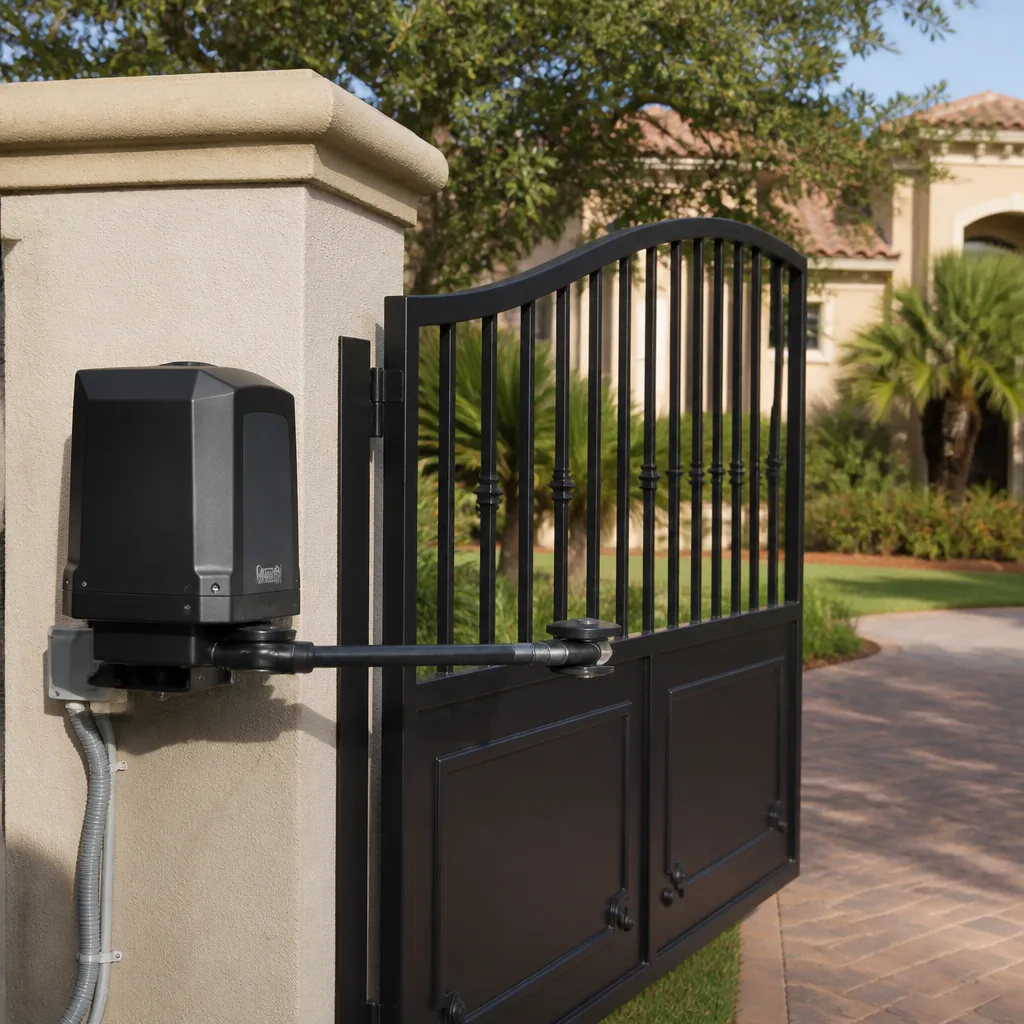
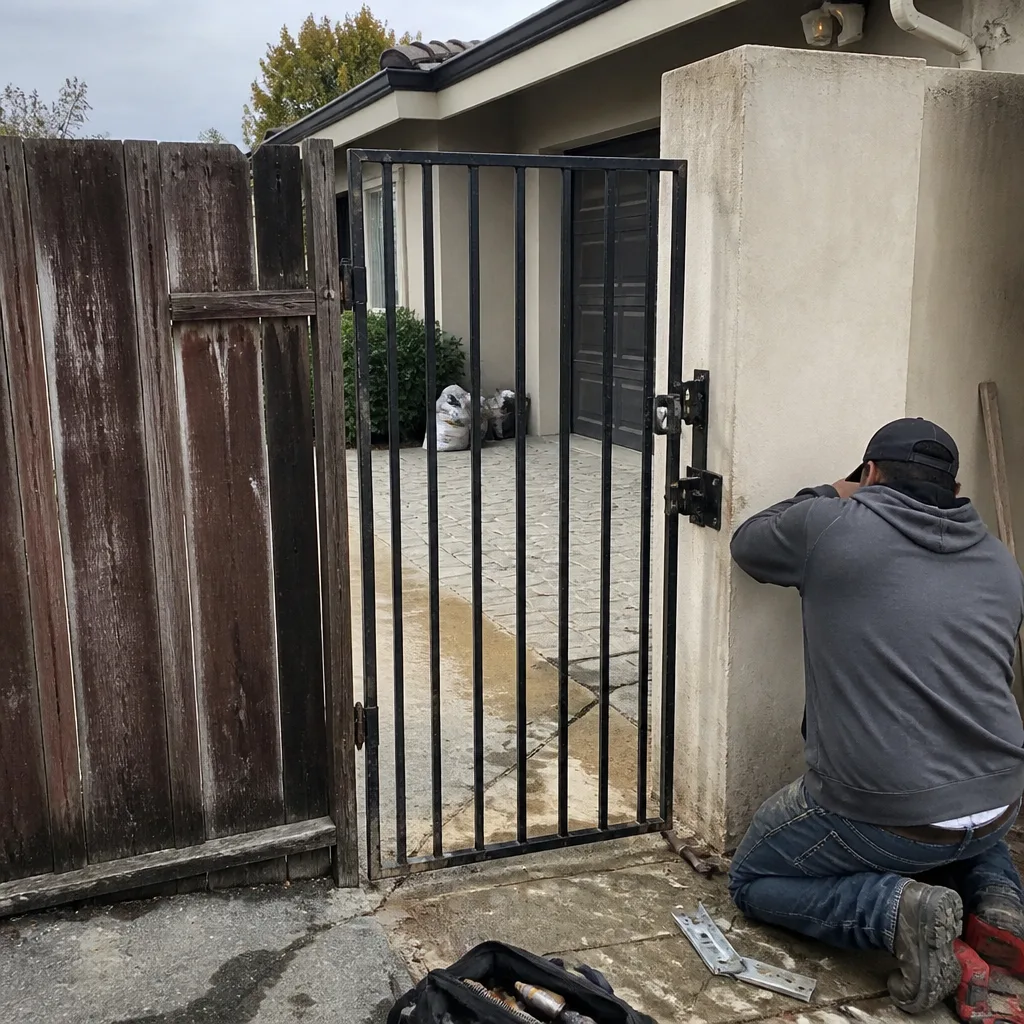 Before
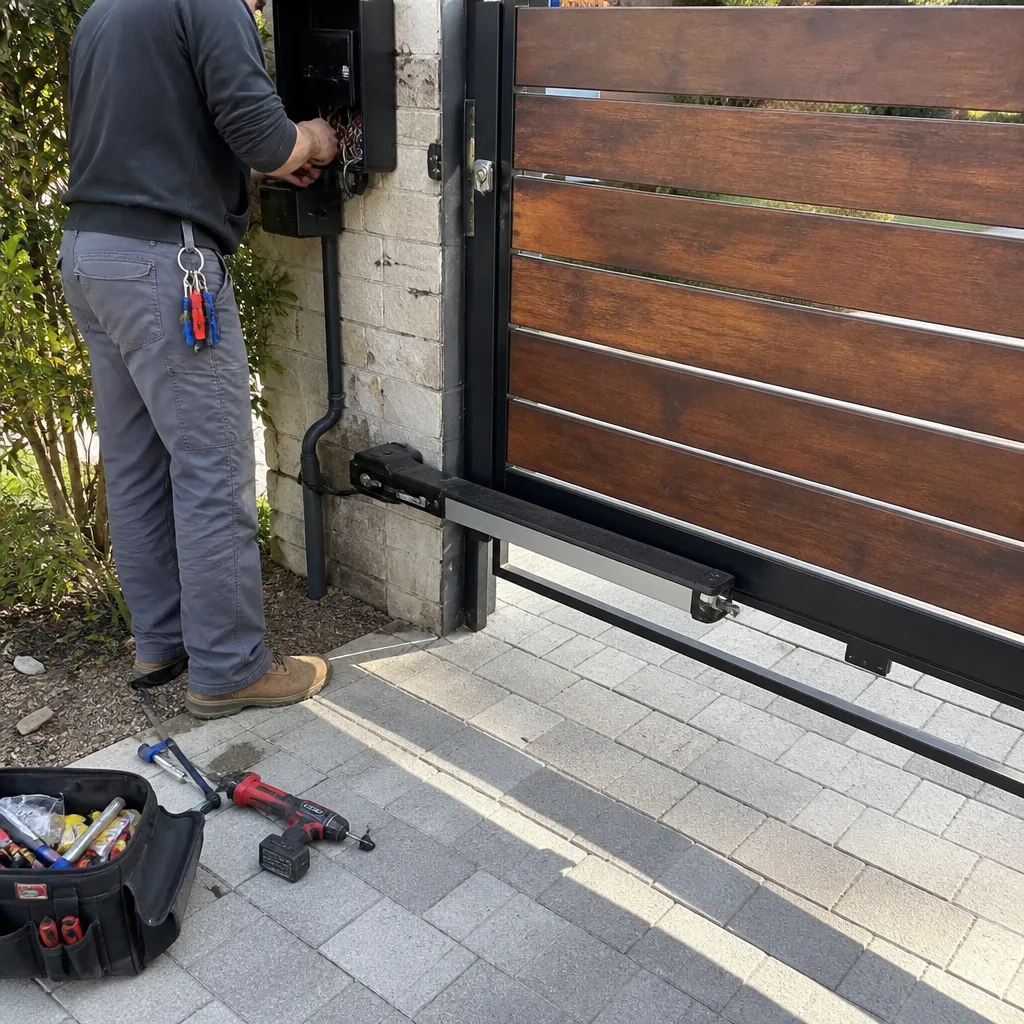 After
After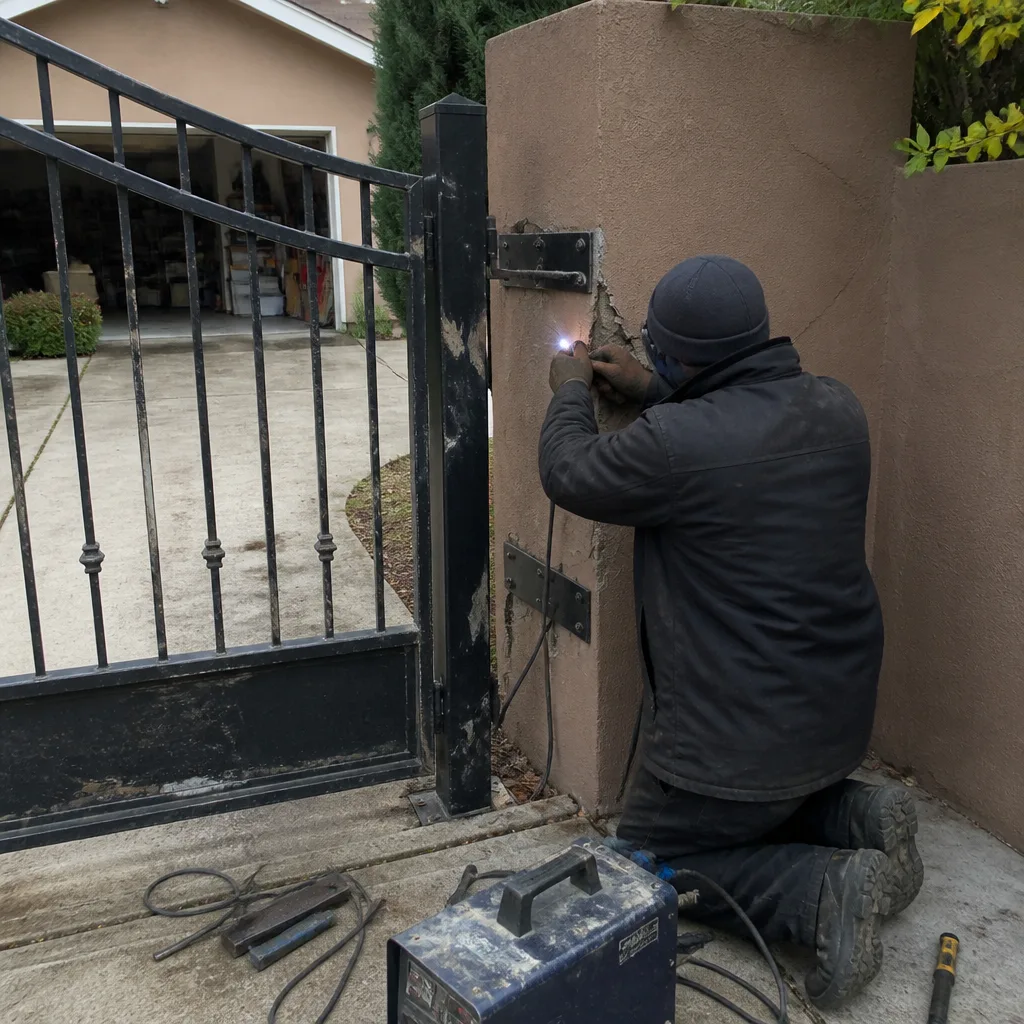 Before
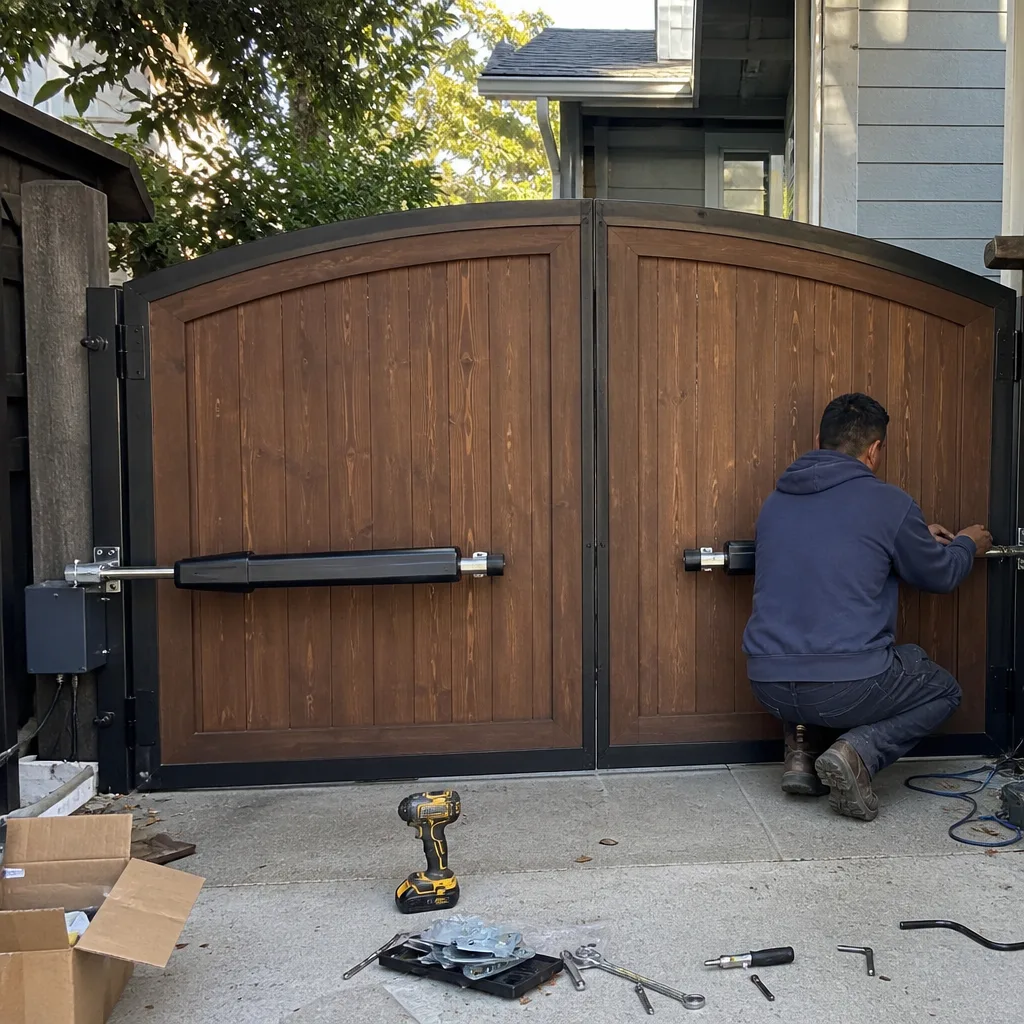 After
After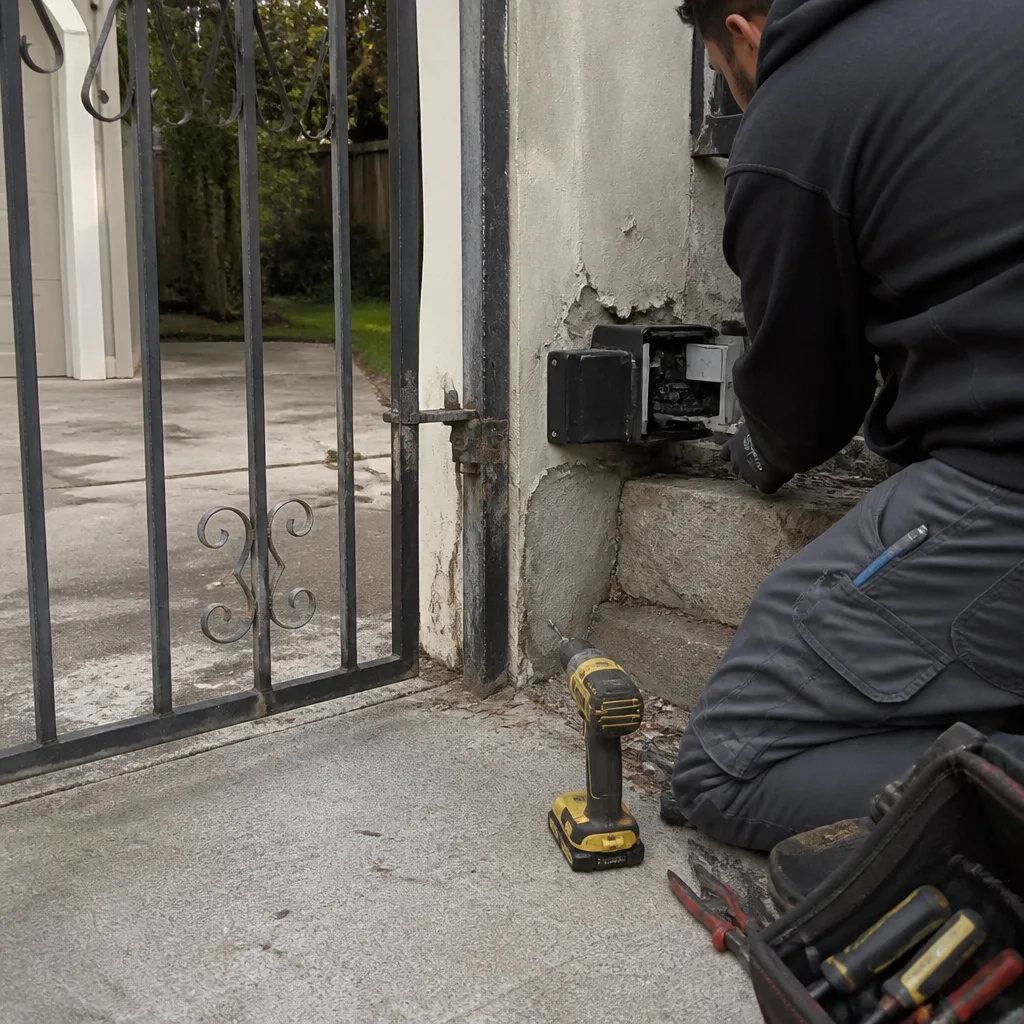 Before
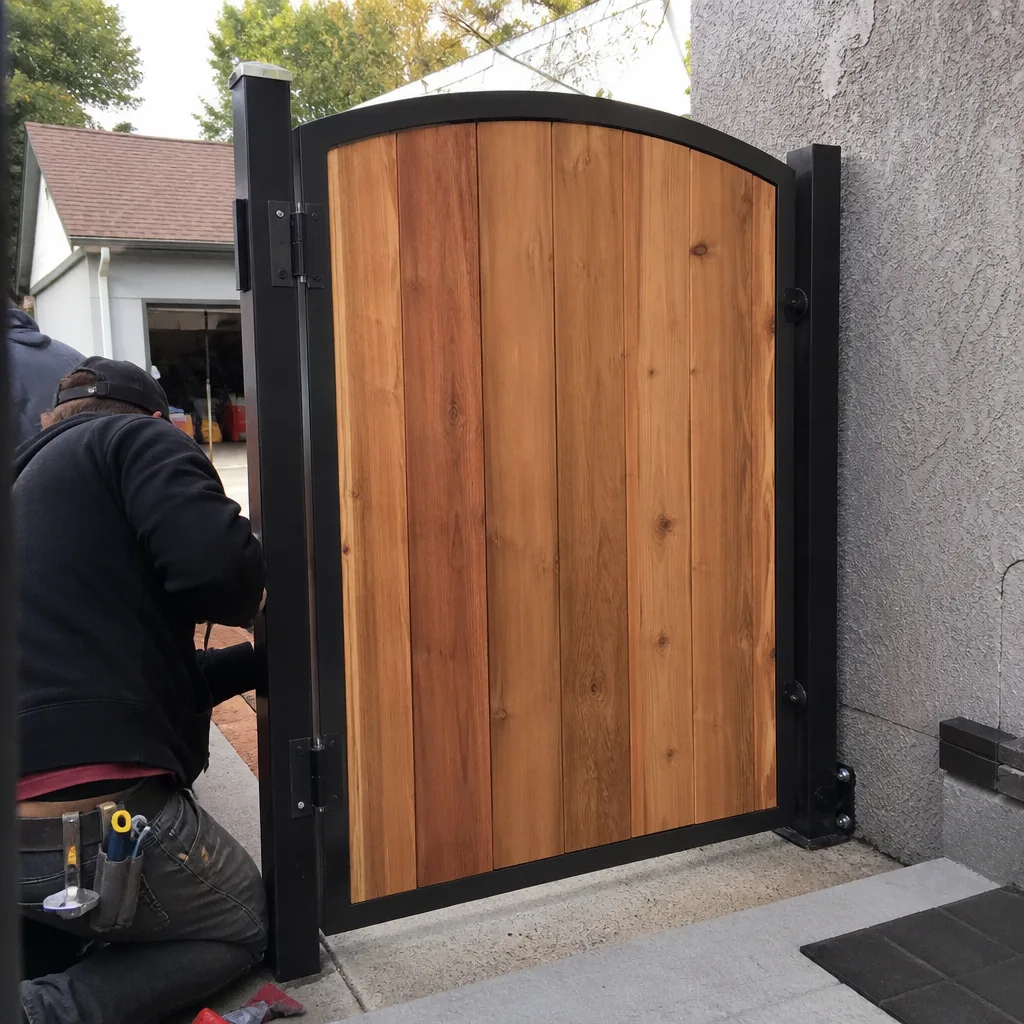 After
AfterGhost Controls Access Control Installation: The San Mateo Owner’s Guide
We stock and install Ghost Controls-compatible access control hardware in San Mateo, with most residential keypad, remote receiver, or control board replacements running $340-$780 installed depending on whether the wiring harness is reusable. Same-day service is available when the part is on our truck, which it usually is for the TSS1, AXWK, and DTP1 series that dominate Peninsula installations. Most San Mateo homeowners discover the failure when their gate stops responding to remotes but still works from the manual release, or when the keypad lights up but never sends the open signal to the control board.
Which Ghost Controls Models This Applies To
Ghost Controls organizes its access hardware into three product families, and the part you need depends on which family is mounted to your gate post or wall.
- TSS1 / TDS2 Series: The tubular stainless-steel keypads. Look for the label inside the battery compartment or on the back of the mounting plate. These use a 4-wire low-voltage harness; the connector is a 4-pin Molex that Ghost has used consistently since 2016, but the 2014-2015 production run used a 3-wire variant that will not mate with current replacement boards.
- AXWK / AXDP Series: Wireless keypad and push-button kits. The AXWK runs on two CR123A batteries; if your keypad is dark even after fresh batteries, the RF transmitter module has likely failed. Range drops to under 10 feet before total failure, which in San Mateo’s fog-heavy microclimates happens faster than the Arizona desert conditions Ghost uses for its published battery-life estimates.
- DTP1 / DTP2 Deluxe: The wired dual-button pad with built-in receiver. These integrate the control logic and receiver in one housing. If your remotes work but the keypad does not, the receiver section is good and the button membrane or logic board is the culprit.
We carry both OEM Ghost Controls parts and quality aftermarket equivalents. The aftermarket keypads we use are built to the same IP65 rating and use identical wire colors, but they cost 30-40% less. For control boards, we prefer OEM because Ghost’s pulse-timing logic for their soft-start/stop feature is proprietary, and aftermarket boards occasionally misread the limit-switch feedback on heavier San Mateo iron gates.
Signs Your Ghost Controls Access Control Installation Is Failing
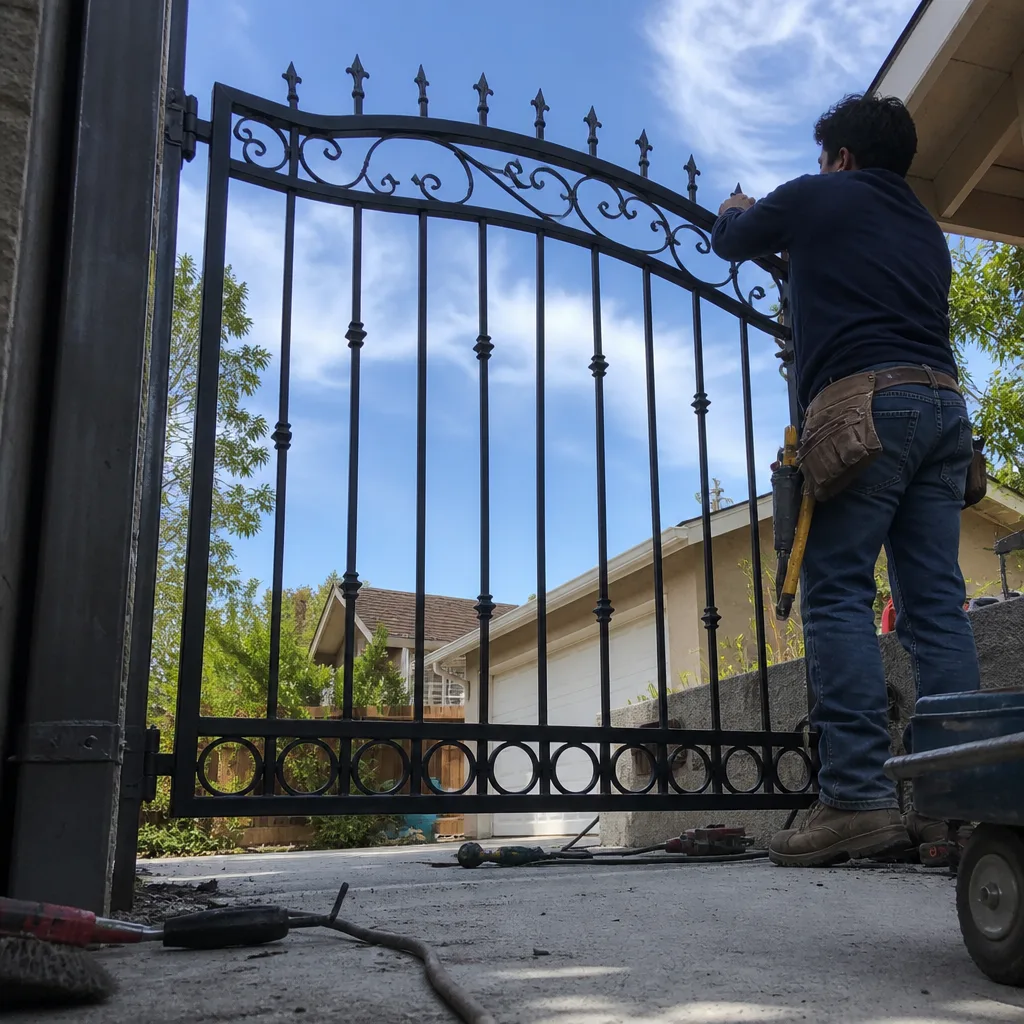
- Keypad lights up, gate does not move. The keypad is receiving power but the signal is not reaching the control board. Usually a failed relay on the board or corrosion in the low-voltage splice where the underground line meets the post. We see this often in Baywood Park and the hills near Sugarloaf, where the marine layer keeps conduit damp year-round.
- Remote works only within 5 feet of the receiver. The RF receiver’s sensitivity is degrading. On Ghost Controls systems, this precedes total failure by 2-4 weeks. The receiver module is replaceable separately from the control board on most models.
- Intermittent operation that worsens after rain. Water intrusion at a wire nut or the keypad housing seal. Ghost’s IP65 rating holds until the gasket compresses, which in our experience happens around year 5 in coastal San Mateo conditions, sooner if the keypad faces south and takes direct sun.
- Keypad beeps but displays no code entry. Failed membrane switch matrix. Common on the TSS1 after 6-8 years of UV exposure. The buttons feel mushy before they stop registering entirely.
- Gate opens on its own, usually late at night. This is the control board’s relay sticking closed, often from voltage spikes when Pacific Gas and Electric does overnight grid switching in the Peninsula corridor. The board needs replacement, not just the relay, because the surge damage typically degrades other components.
 Before
 After
AfterReplacement Cost & What’s Included
| Component | Parts + Labor Range | Typical Time |
|---|---|---|
| Keypad (TSS1/AXWK/DTP1) | $340-$520 | 45-75 min |
| RF Receiver Module | $280-$410 | 30-50 min |
| Control Board Replacement | $480-$780 | 60-90 min |
| Full Harness Rewire (conduit damaged) | Add $180-$340 | Add 45-60 min |
The range depends on three things: whether we can reuse the existing wiring harness, whether the gate’s current draw requires us to resize the transformer, and whether the keypad mounting post is rotted or bent and needs replacement. We hand you a written price before any work starts, under Haven Standard Clause 1. That price includes the part, labor, testing of all remotes and keypads, and a photo log of the wiring before and after. Our 365-Day Done Right Promise covers the installation and the part.
DIY or Call Us?
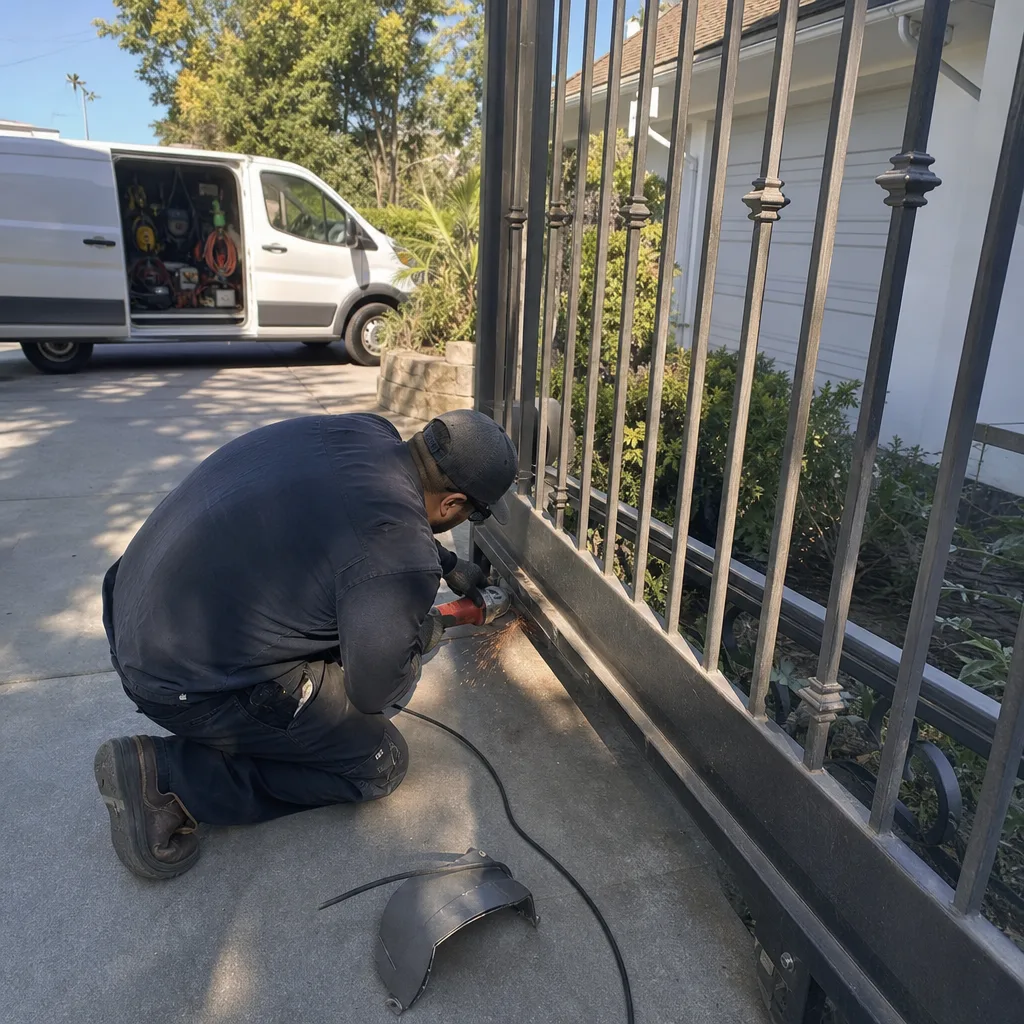
There is safe checking, and then there is work that belongs to someone who has done it before.
What you can safely do: verify that the keypad’s low-voltage transformer is producing 24V AC at the output terminals. If it is not, the transformer has failed and the keypad may be fine. Check whether the issue follows the remote or stays with the keypad by testing every remote you own. Photograph your wiring before you touch anything, and note the wire colors and terminal numbers.
Where DIY goes wrong: Ghost Controls control boards store limit-switch positions and force settings in non-volatile memory, but replacing the board wipes those values. Reprogramming requires entering the gate’s travel distances in inches, then running the learn cycle with a helper watching for mechanical binding. We have been called to San Mateo homes where a board replacement turned into a gate that slammed into its stop because the close limit was set 4 inches past physical travel. The resulting damage to the gate arm and post hardware turned a $520 job into a $1,400 repair. Also, the control board operates at line voltage on the transformer primary side; the enclosure is not user-serviceable in the way a light switch is.
We are not affiliated with Ghost Controls. We are an independent service provider that stocks their parts because they are what is already on your gate. Name what you found. Name what it costs. Name what you left behind. That is how we work.
FAQs
Most last 6-9 years in San Mateo’s coastal climate, shorter if the keypad faces south and gets direct afternoon sun, longer if it is under an eave on the north side of the property. The UV degradation and salt-air corrosion are the main wear factors here, not button presses. Call (650) 293-9440 if yours is past year 5 and acting intermittent; catching it early avoids the emergency call.
Sometimes, if the failure is a single relay or a visibly burned trace. We do not do component-level board repair in the field because the reworked board often fails again within months, and we do not charge twice for the same problem under our 365-Day Done Right Promise. Replacement with a new board is the reliable path. We will tell you honestly if your board looks repairable, but our recommendation is almost always replacement.
Most are done in under 90 minutes on site. We spend the first 15 minutes diagnosing to confirm the part, then photograph the existing wiring, install and program the replacement, and test every input device you have. If we are replacing a DTP1 board on a heavy iron gate in the hills, we add 20 minutes to verify the soft-start settings are correct for the gate’s mass. You get the photo record and the written invoice before we leave.
We carry TSS1, AXWK, and DTP1 keypads, RF receiver modules, and the three most common control boards. For the older 3-wire TSS1 variant or the DTP2 with integrated WiFi, we may need to pull from our San Mateo warehouse or overnight from our supplier. We will tell you before we dispatch whether your part is on the truck. Call (650) 293-9440 and describe the model label; we will confirm stock while you are on the line.
Written by Adrian Vance, Owner, Vance Gate Repair San Mateo at Vance Gate Repair San Mateo, serving San Mateo and nearby areas.