
Last updated September 22, 2026
Free on-site gate assessment - hinges, posts, and your LiftMaster or Nice gate operator checked before anything is quoted
The assessment is free and the quote is the invoice.
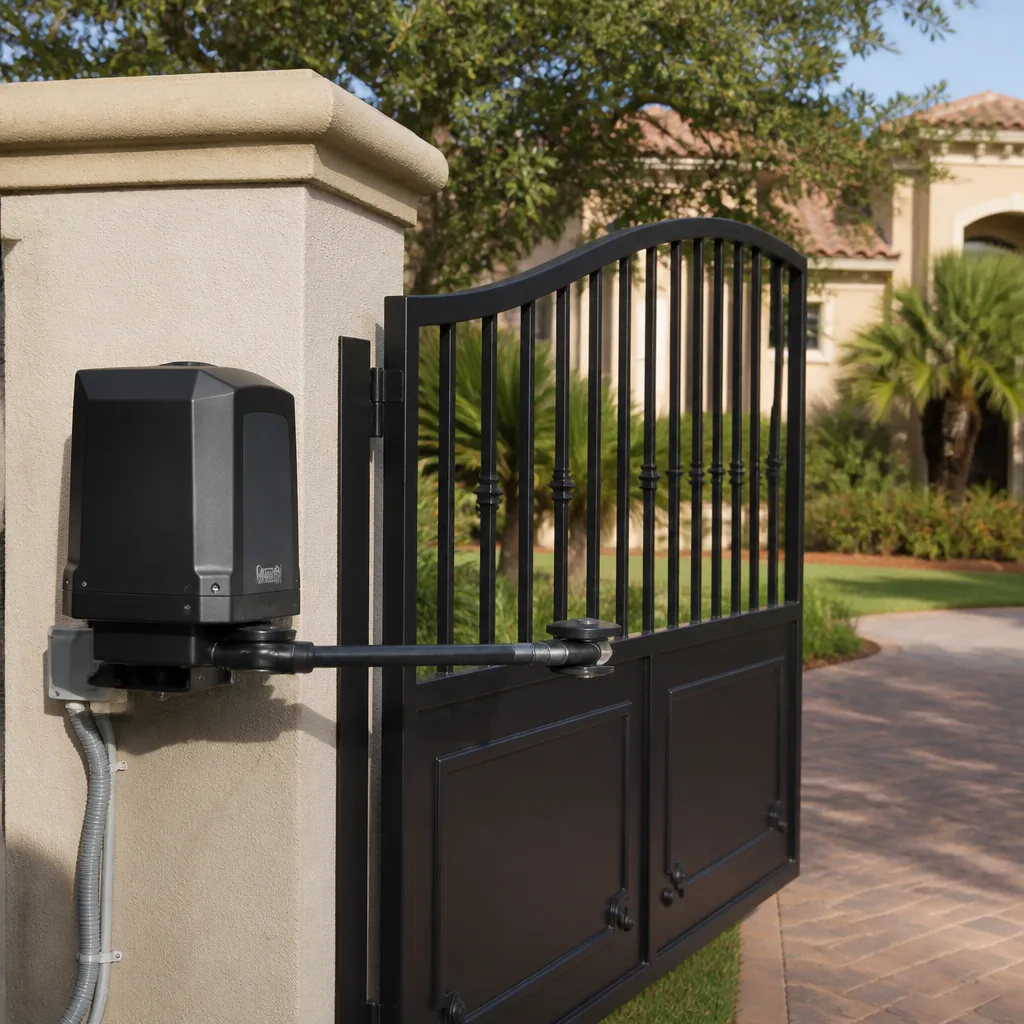
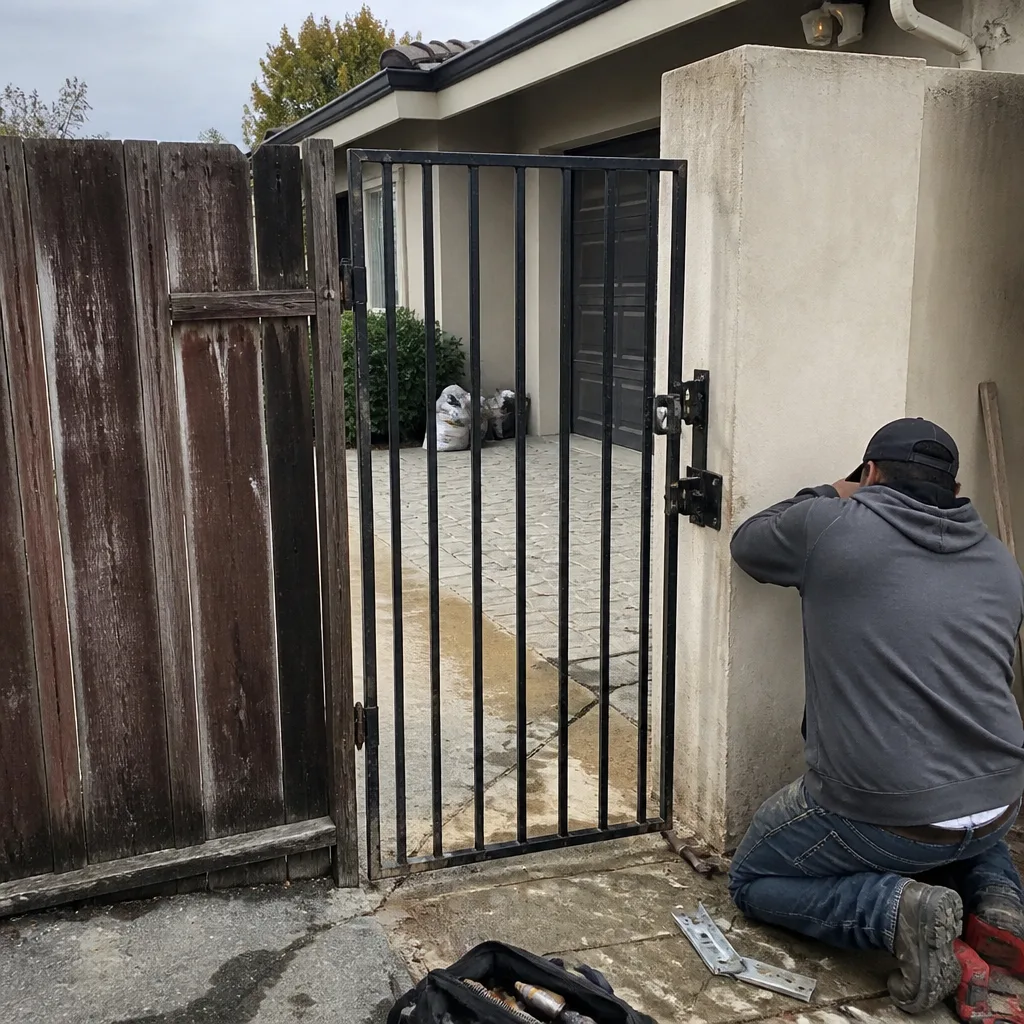 Before
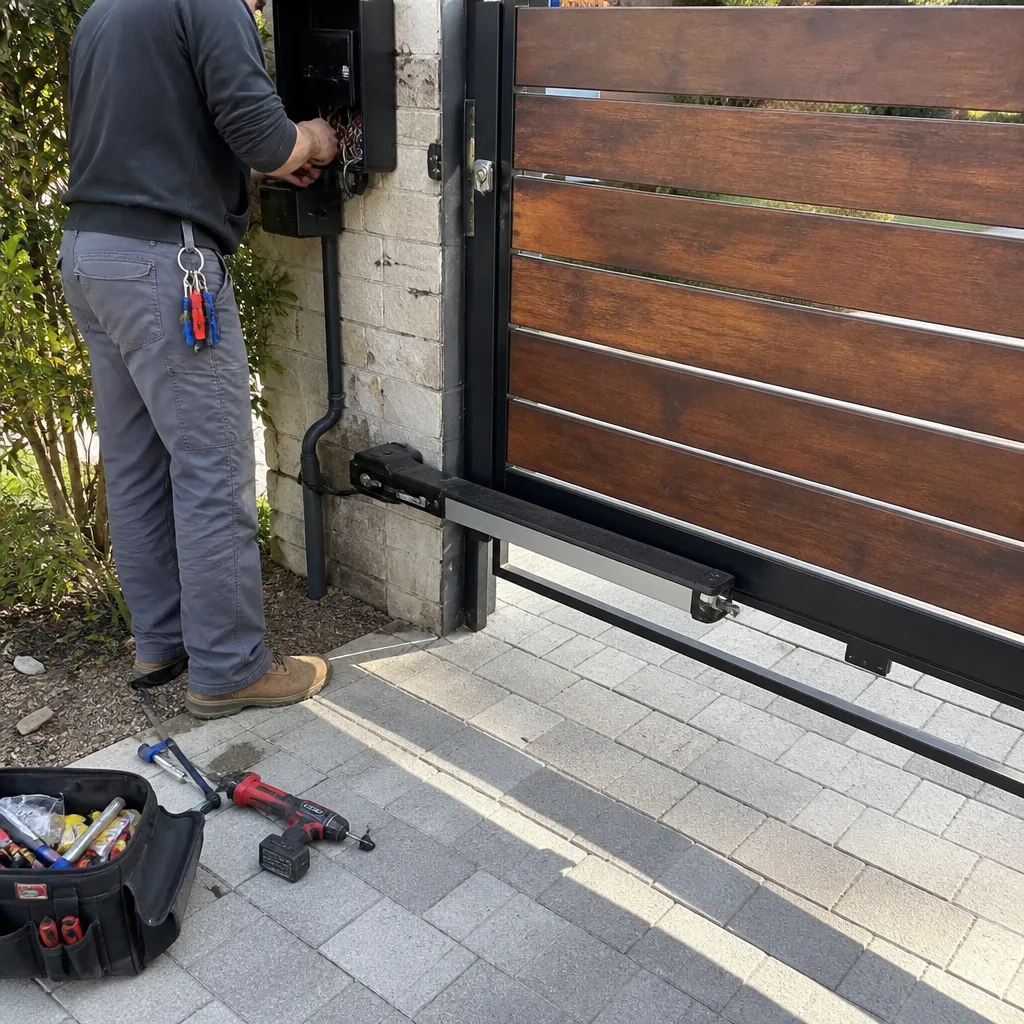 After
After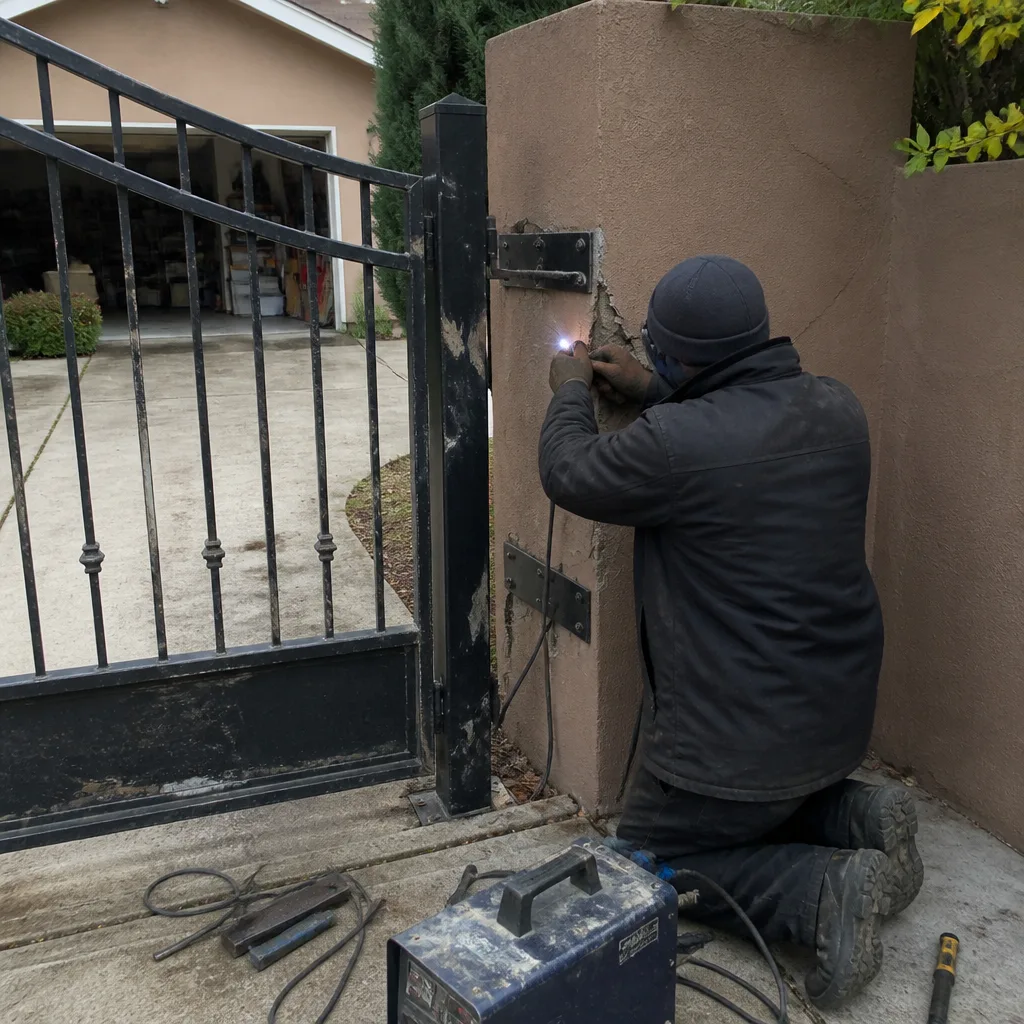 Before
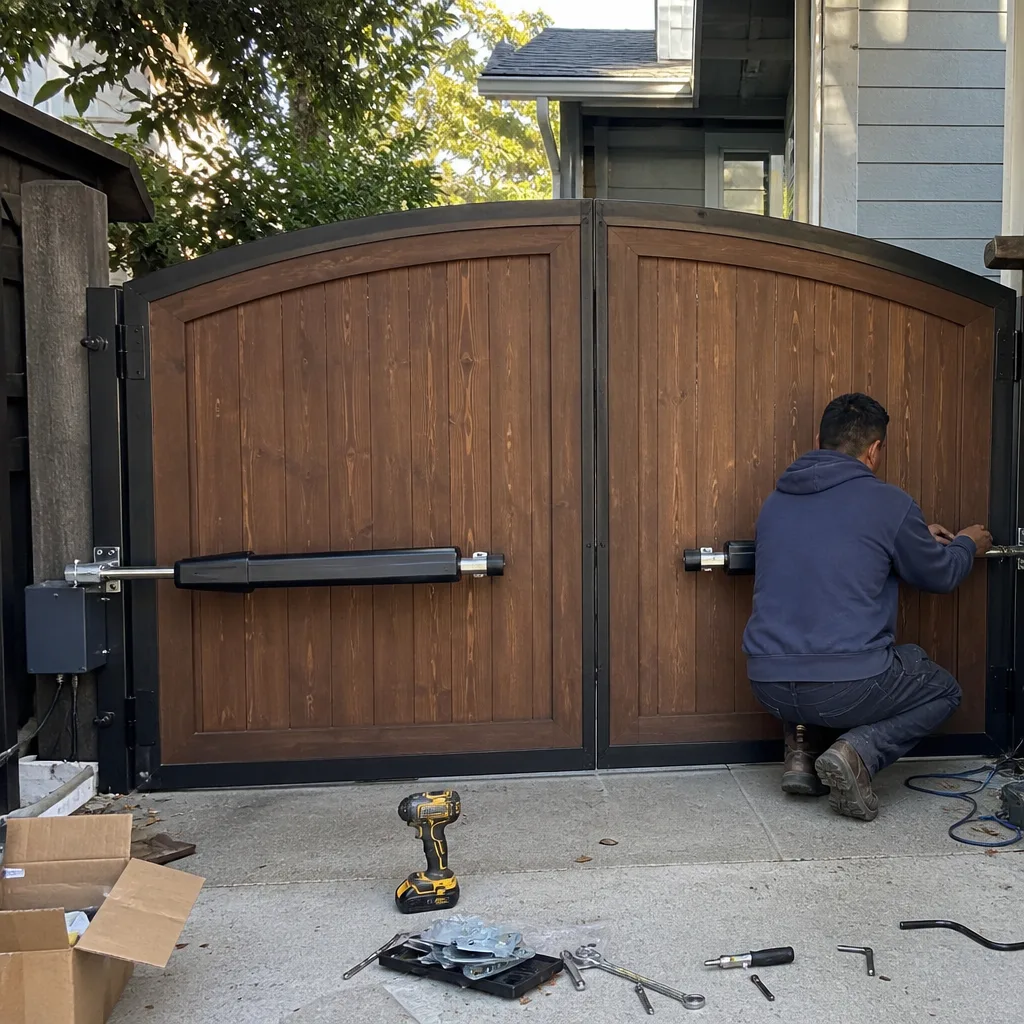 After
After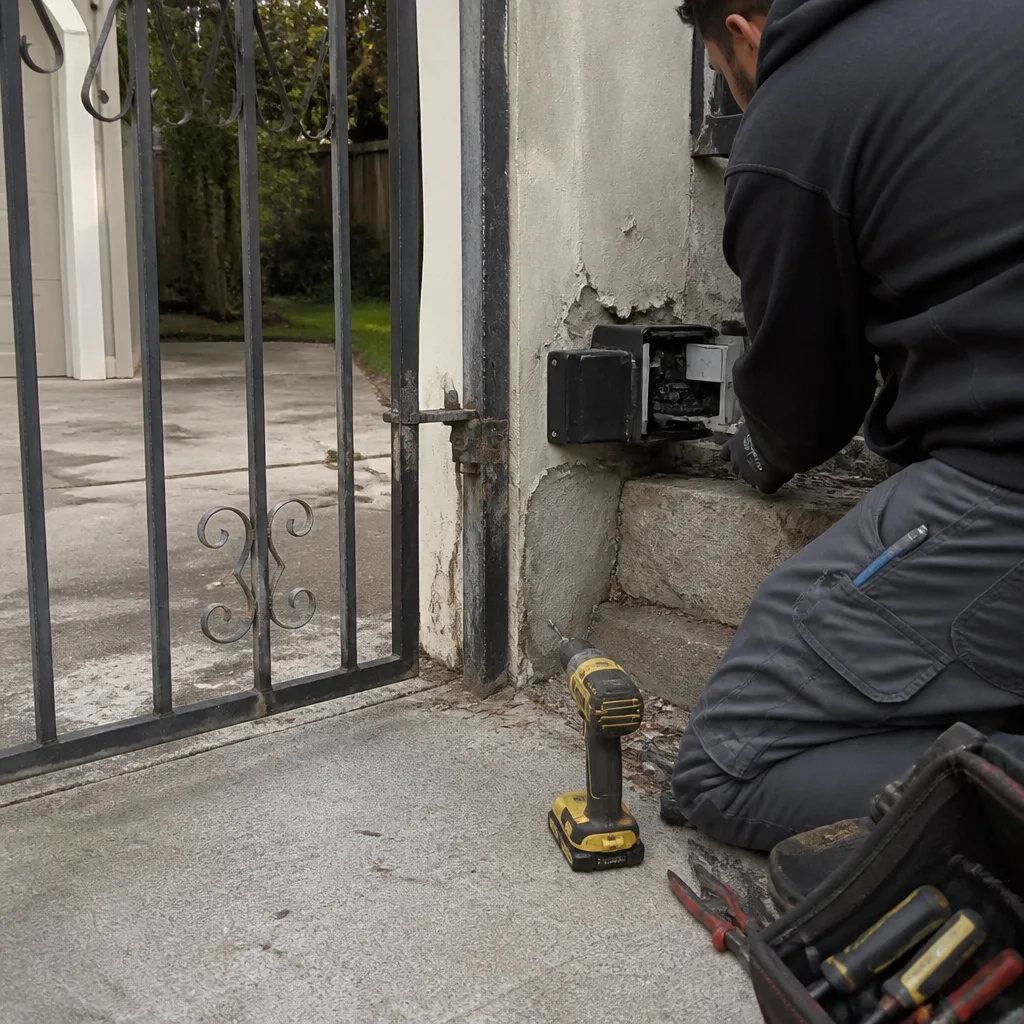 Before
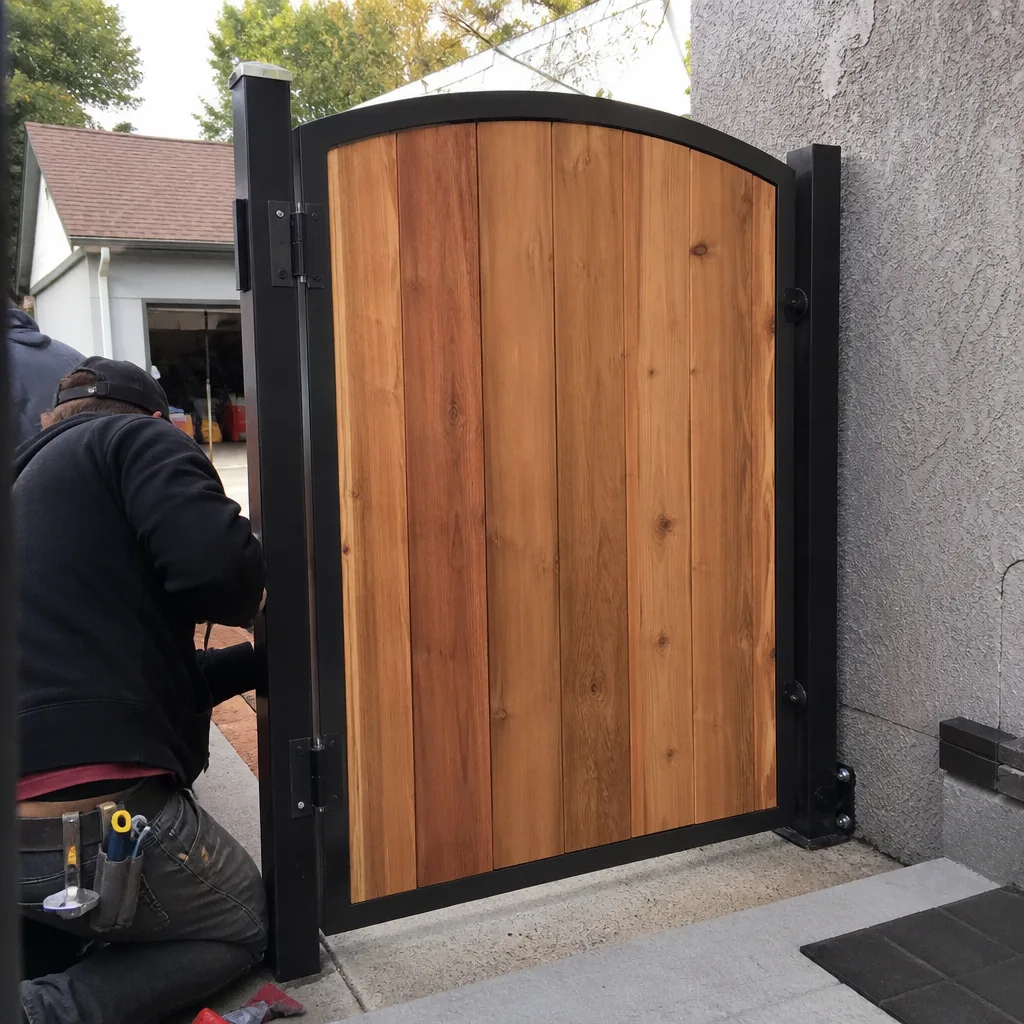 After
AfterSeasonal Gate Repair Care for San Mateo: Year-Round Homeowner’s Guide
San Mateo’s 23 inches of annual rainfall fall almost entirely in a four-month window. Every year, the same hinge hardware that looked fine in September is binding or cracked by February - not because it failed suddenly, but because no one pre-treated it before the rains. In this guide, you’ll learn the October pre-wet-season protocol that prevents winter failures, how summer fog-belt conditions in western San Mateo neighborhoods differ from drier eastern flatlands, which lubricants survive each season, and how to keep a documented log so next year’s technician reads last year’s condition at a glance. For deeper reading, see our Complete Guide to Gate Repair in San Mateo.
Quick Answer
San Mateo gate maintenance follows two stress periods, not four seasons: a wet season (November through March) that attacks hinges, posts, and electrical connections, and a dry season (April through October) that degrades lubricants and UV-exposes plastic components. Homeowners who complete a six-point October pre-wet protocol and a four-point April post-rain inspection typically extend gate hardware life by 40-60% compared to reactive repair schedules.
Table of Contents
- Why San Mateo Gates Experience Two Seasons, Not Four
- The October Pre-Wet-Season Protocol
- Winter Maintenance: December Through March
- How to Read Post-Rain Gate Performance
- Summer Dry Season: April Through October
- The Lubricant Guide: Wet-Season vs. Dry-Season Formulas
- Western Fog Belt vs. Eastern Flatlands: Maintenance Intervals
- Building Your Two-Page Seasonal Log
 Before
 After
AfterWhy San Mateo Gates Experience Two Seasons, Not Four
Most seasonal maintenance guides assume a four-season climate with freezing winters and humid summers. San Mateo doesn’t work that way. Our Mediterranean climate compresses weather stress into two distinct periods: a concentrated wet season and a prolonged dry season with coastal fog variation.
The wet season brings nearly all annual rainfall between November and March. Soil saturation, thermal cycling between 45°F nights and 60°F days, and persistent surface moisture create the perfect conditions for hinge corrosion, post swelling in wooden gates, and electrical connection degradation. We’ve documented this pattern across thousands of gate repairs in San Mateo since 2014.
The dry season presents its own problems. From April through October, UV exposure degrades plastic photo-eye housings, dry lubricants attract dust and grit, and thermal expansion cycles stress welded joints. Western San Mateo neighborhoods like Shoreview and Baywood-Aragon add a fog-belt complication: morning condensation that never fully dries before the next cycle begins.
This two-season reality means maintenance tasks aren’t interchangeable. The grease that protects a hinge through wet winter will bake into a grinding paste by July. The spray that sheds summer dust becomes a water trap in November. Understanding which season stresses which components - and matching your maintenance to the stress - is the difference between a gate that lasts 15 years and one that needs Gate Repair services in year seven.
The October Pre-Wet-Season Protocol
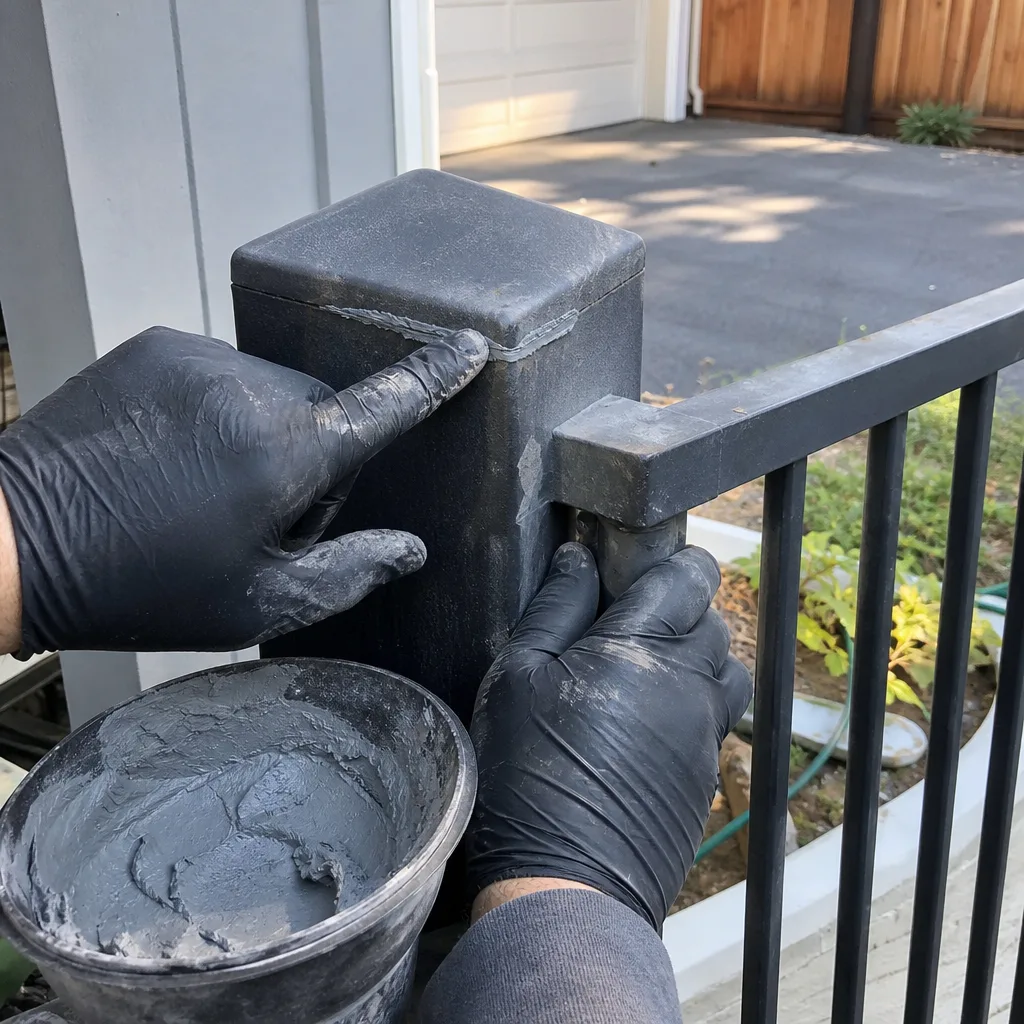
The October window is your last opportunity before the rains begin. We’ve developed this six-point protocol from documentation on over 22,000 gates since 2014. Complete it before November 1st.
- Photograph every hinge, roller, and pivot point. Under Haven Standard Clause 4, we leave a photo record on every visit. For your own log, capture close-ups of hinge pins, roller bearings, and chain wear surfaces. These baseline images become your comparison set for March.
- Remove old lubricant entirely before reapplying. Wipe hinges and tracks with a clean rag until no residue transfers. Old grease mixed with new creates a slurry that holds moisture against metal. In San Mateo’s wet season, this slurry accelerates pitting by 3-4x compared to clean, fresh application.
- Apply wet-season lubricant to all moving metal. See the lubricant guide below for specific products. Focus on hinge barrels, roller axles, chain links, and operator arm pivot points. Work the lubricant into joints by cycling the gate manually 3-4 times after application.
- Seal electrical enclosures and test gaskets. Open control boxes on LiftMaster, FAAC, or Mighty Mule operators. Inspect door gaskets for cracking. Replace if compressed or torn - moisture intrusion is the leading cause of winter control board failure in San Mateo.
- Tighten all fasteners to manufacturer torque spec. Wet-season thermal cycling loosens hardware faster than dry-season stability. Use a torque wrench where specs are available; otherwise, tighten to “snug plus quarter turn” and mark with paint pen for visual loosening detection.
- Clear drainage around gate posts. Ensure soil slopes away from wooden posts and concrete pier bases. Standing water around a steel post base in San Mateo’s clay-heavy soils accelerates corrosion at the critical ground-line interface.
Document completion date, products used, and any anomalies found. This record travels with your gate’s service history and prevents redundant diagnosis.
Winter Maintenance: December Through March
Once the rains begin, maintenance shifts from prevention to monitoring. The goal is catching water damage before it propagates.
Check hinges and rollers monthly during heavy rain periods. Look for rust staining on concrete below hinges - it indicates water is entering the barrel and flushing corrosion products. Listen for pitch changes in gate operation: a squeal that wasn’t there in October means lubricant washout.
Electrical components need weekly attention during storm sequences. After any significant rainfall, verify photo-eye alignment (the infrared beam that stops the gate if something crosses the path). Water droplets on lenses cause false obstructions. Wipe with a dry microfiber cloth - paper towels scratch acrylic lenses.
For automated gates, watch for operator strain indicators. A Mighty Mule or LiftMaster that audibly labors or triggers thermal overload in wet conditions often has water-compromised limit switches. The limit switch tells the motor when to stop; moisture intrusion causes erratic positioning that overworks the drive mechanism.
Wooden gates in San Mateo’s Hillsdale or Hayward Park neighborhoods require special attention. Our marine-influenced humidity prevents full drying between rain events. Check bottom rails for swelling that binds against latches or ground stops. If a gate that closed freely in October now scrapes, the wood has absorbed moisture and expanded. Forcing closure stresses the operator and misaligns the latch.
Document every observation with date and photo. Under Haven Standard practice, we photograph what we find, what we adjust, and what we replace - the same documentation habit Adrian Vance developed on commercial access-control sites starting in 2014. Your winter log should achieve similar clarity.
How to Read Post-Rain Gate Performance
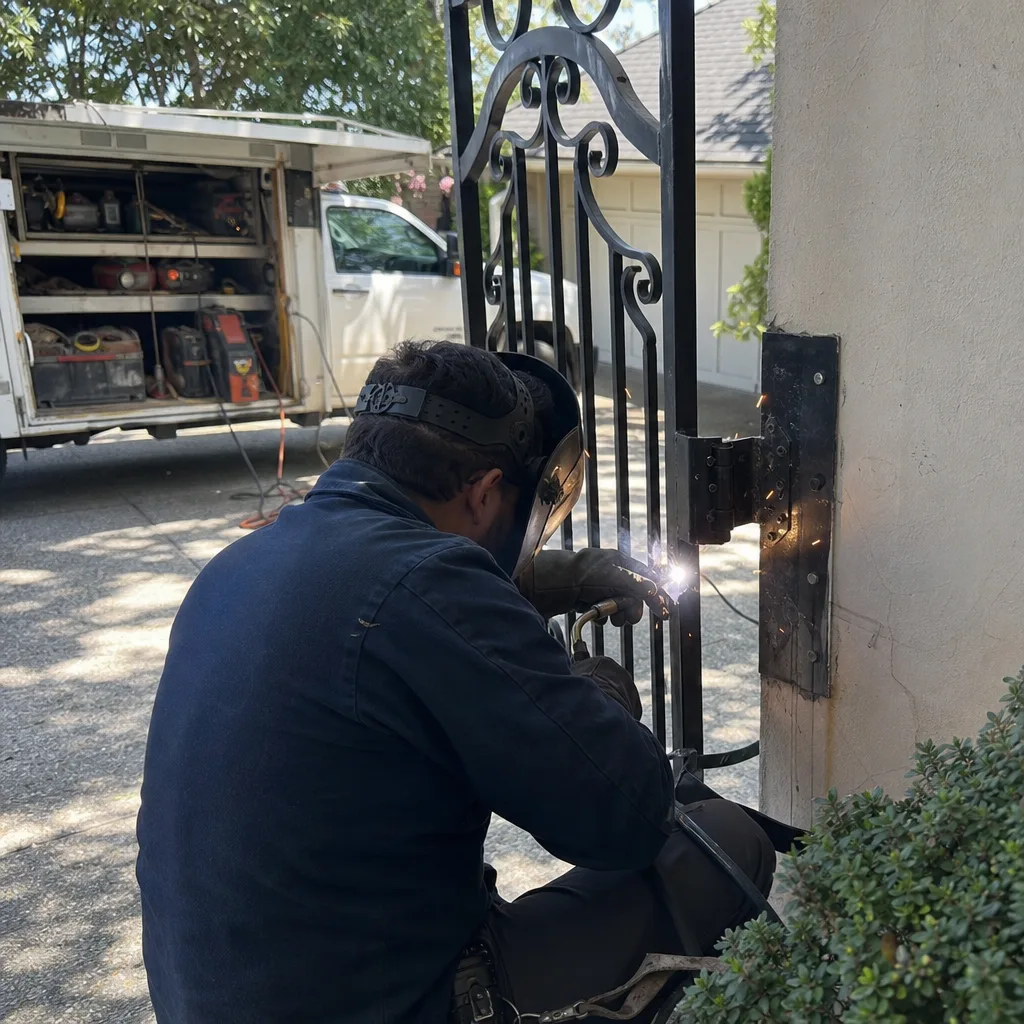
The March transition reveals which components absorbed water stress and how much service life they lost. This reading determines whether you’re looking at maintenance or impending failure.
Start with a controlled cycle test. Open and close the gate three times, listening and timing each cycle. Compare to your October baseline. A cycle time increase of more than 15% indicates degraded lubrication, binding hinges, or operator strain. Note which phase slows - opening, closing, or both.
Inspect hinges with your October photos in hand. Look for:
- Pin migration: the pin head has shifted relative to the barrel, indicating wear or loosening
- Barrel cracking: hairline fractures that weren’t visible before wet-season thermal cycling
- Grease color change: fresh lubricant is translucent amber; water contamination turns it gray or milky
- Play measurement: grasp the gate leaf and lift vertically; more than 1/8 inch play at the hinge indicates barrel wear
Check post stability by applying lateral pressure at the top of a closed gate. Any wobble in the post, not the leaf, signals footing degradation from soil saturation. In San Mateo’s clay soils, winter wet followed by spring shrinkage creates a pumping action that loosens concrete piers. This is particularly common on east-facing gates where morning sun hits frost-affected soil.
Operator electrical testing comes next. With power isolated, inspect terminal blocks for green corrosion (copper oxidation from moisture). On BFT and FAAC operators common in San Mateo’s older installations, check capacitor venting - a bulged or split capacitor top indicates thermal stress from voltage fluctuation during wet-season power events.
Rate each component: green (no change from October), yellow (degraded but functional), red (requires service before next stress period). This traffic-light system feeds directly into your seasonal log and determines your April maintenance scope.
Summer Dry Season: April Through October
The dry season shifts maintenance emphasis from moisture defense to UV protection, dust management, and thermal stress relief.
April begins with post-rain recovery. Complete your March assessment first. Replace any yellow-rated components before summer thermal cycling accelerates their degradation. Re-lubricate entirely with dry-season formula - never simply add summer grease to winter residue.
May through August maintenance focuses on:
- Photo-eye lens cleaning: Weekly in dusty eastern San Mateo neighborhoods near Highway 92; biweekly in fog-belt western areas where dust accumulation is slower but salt film builds
- UV-exposed plastic inspection: Operator housings, photo-eye brackets, and remote receiver covers chalk or crack under summer sun. Replace before brittleness causes breakage
- Chain and belt tension: Thermal expansion increases slack in drive chains. A chain that was correctly tensioned in March may slap or derail by July. Adjust to manufacturer spec, allowing for 1/2 inch mid-span deflection on typical residential operators
- Concrete and masonry expansion joint check: Summer thermal expansion in San Mateo’s 80-90°F days stresses gate post surrounds. Cracked or separated mortar allows water intrusion when rains return
September brings the critical pre-wet preparation window. Complete your October protocol by September 25th if possible - early rain in San Mateo has occurred in three of the past ten years, and hardware stores sell out of appropriate lubricants by mid-October.
For automated gates, summer is the season to verify operator force settings. A gate motor in San Mateo that operated correctly in spring may need limit-switch recalibration after thermal expansion changes travel geometry. We document limit-switch readings on every visit so seasonal drift is measurable, not guessed.
The Lubricant Guide: Wet-Season vs. Dry-Season Formulas
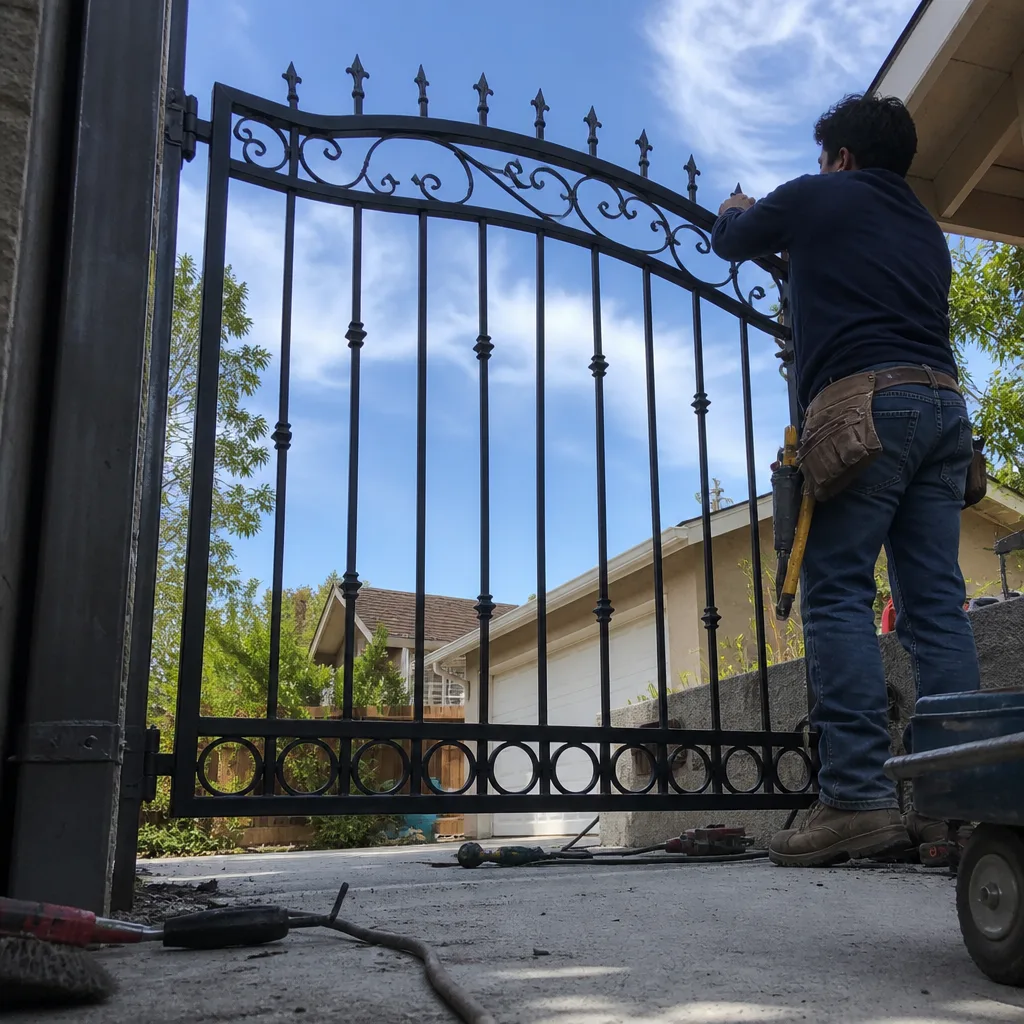
Using the wrong lubricant in the wrong season degrades faster than using none at all. This is one of the most common errors we correct on service calls in San Mateo.
Wet-season requirements (November-March):
- Water displacement priority - the lubricant must actively shed moisture, not merely resist it
- Salt corrosion resistance for fog-belt and coastal-adjacent properties
- Low washout rating in ASTM water spray tests
- Operating temperature range to 40°F without thickening
Recommended: white lithium grease with PTFE additive, or dedicated gate/track formulas from major automation manufacturers. Avoid general-purpose WD-40 as a lubricant - it displaces water effectively but provides negligible lasting film. Use it for cleaning and corrosion removal only.
Dry-season requirements (April-October):
- UV stability - the base oil must not polymerize or varnish under sun exposure
- Dust shedding - the lubricant should not become a tacky debris trap
- Thermal stability across 50-90°F daily swings
- Non-drip formulation for vertical hinge surfaces
Recommended: synthetic grease with molybdenum disulfide (MoS2) for metal-to-metal contact, or silicone-based dry lubricant for tracks and guides where dust accumulation is severe. In San Mateo’s eastern flatlands near 19th Avenue or El Camino Real, dust from traffic and construction makes silicone preferable for exposed track systems.
Never use: general automotive chassis grease (too thick, attracts debris), vegetable-based “eco” lubricants (biodegrade too fast in wet season), or graphite on outdoor gates (washes out, stains concrete).
Document product and application date in your seasonal log. When a technician arrives next year, they’ll know what’s on the gate and whether it’s compatible with their service plan.
Western Fog Belt vs. Eastern Flatlands: Maintenance Intervals
San Mateo’s geography creates two microclimates that demand different maintenance rhythms. Understanding which zone your property occupies prevents under- or over-servicing.
Western fog belt: Neighborhoods from Shoreview and Baywood-Aragon west to the waterline experience 100+ fog days annually. Morning condensation deposits moisture even in July and August. Salt aerosol from the bay accelerates corrosion beyond what rainfall alone would cause.
Maintenance implications:
- Inspect hinges and latches monthly year-round, not just in wet season
- Use salt-rated corrosion inhibitors even on inland-facing gates - fog penetrates surprisingly far
- Electrical enclosures need gasket replacement every 18-24 months, not the 3-4 year interval sufficient inland
- Wooden gates require more frequent sealing - fog moisture penetrates finishes that shed rain
Eastern flatlands: From Hillsdale and San Mateo Park east to the 101 corridor, fog influence diminishes sharply. Summer days are warmer, nights cooler, and dust exposure higher from traffic and construction.
Maintenance implications:
- Dry-season lubricant refresh is critical - UV and dust degradation outpace fog-belt wear
- Photo-eyes need more frequent cleaning due to particulate accumulation
- Thermal expansion cycles are more extreme; check operator limit settings twice per summer
- Wooden gates dry more thoroughly between moisture events, reducing rot risk but increasing check-cracking (surface splits from rapid drying)
Properties near the 92 corridor or on the ridge dividing these zones experience transitional conditions. We recommend the more intensive western protocol for any gate within one mile of the water, regardless of elevation.
Your seasonal log should note which zone your property occupies and any observed deviations from expected patterns. This context prevents misdiagnosis when a new technician reads your history.
Building Your Two-Page Seasonal Log
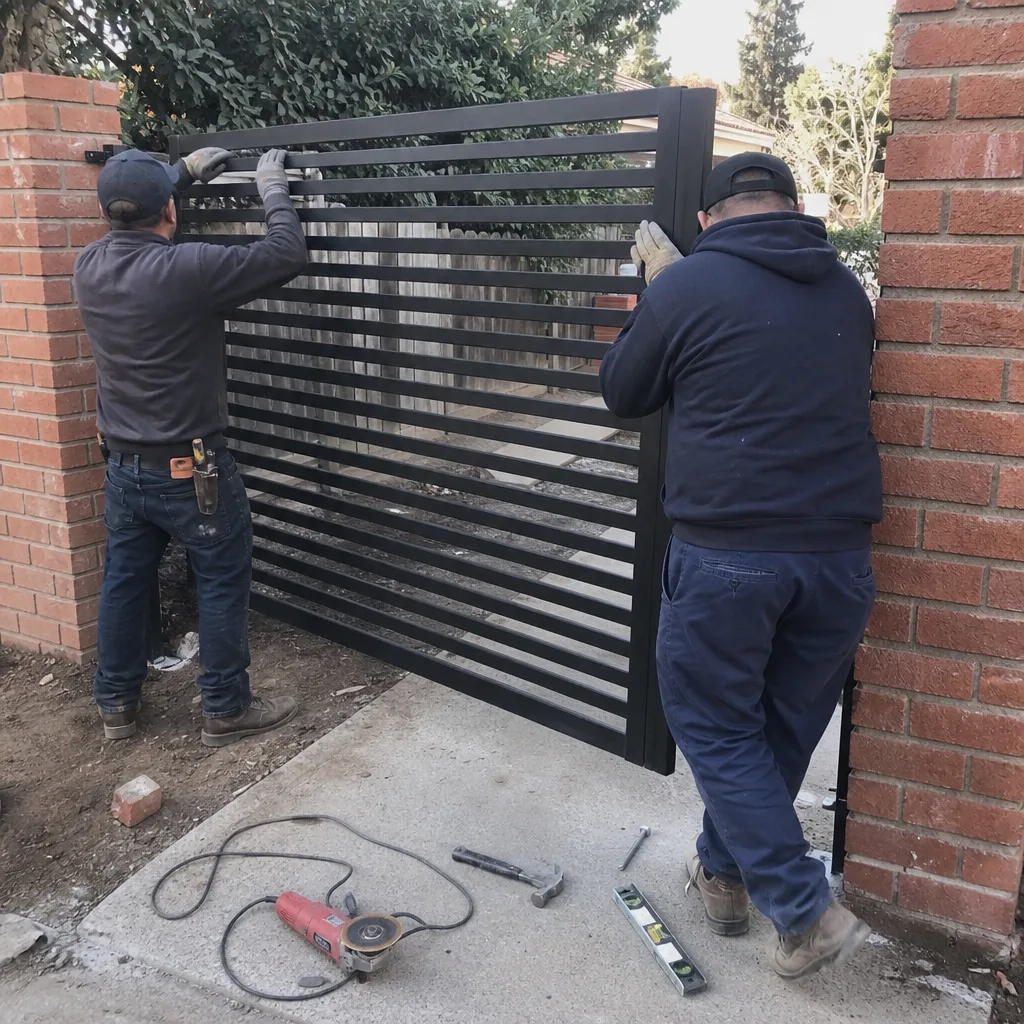
A useful log is readable at a glance by any technician, including one who’s never seen your gate. We’ve refined this format from the documentation habits Adrian Vance established in commercial access-control work - the same photographic evidence standard that became Haven Standard Clause 4.
Page One: Gate Identity and Baseline
- Property address and gate location (front, rear, side)
- Gate type: swing (single/dual), slide, or vertical lift
- Dimensions: width, height, approximate weight
- Operator brand and model (LiftMaster CSW24V, FAAC 844 ER, etc.)
- Date of original installation or last major replacement
- Photograph: full gate closed, full gate open, operator nameplate
Page Two: Seasonal Entries
Each entry occupies one row in a table format:
| Date | Season | Task Completed | Products Used | Condition Notes | Photo Ref | Next Action |
|---|---|---|---|---|---|---|
| 10/15/2024 | Pre-wet | Full protocol | White Li-PTFE | Hinge N yellow play | IMG_2041-48 | Monitor N hinge in March |
Condition notes use the traffic-light system: green (no change), yellow (degraded, functional, monitor), red (service required). Photo references point to your digital archive - we recommend a dedicated album per gate, cloud-backed.
When you call for service, email or text this log ahead. A technician from Vance Gate Repair San Mateo arrives knowing your gate’s history, your maintenance products, and your observed concerns. Under Haven Standard practice, we add our visit documentation to your record: what was found, what was adjusted, what was replaced, with photographs of each.
The log also protects you in warranty disputes. A manufacturer denying a hinge corrosion claim faces dated photographs of pre-wet treatment and post-rain condition. Documentation converts “he said, she said” into evidence.
Common Mistakes to Avoid
- Using all-purpose spray lubricant year-round. The can that works in June becomes a moisture trap in December. Seasonal lubricant rotation costs an extra $15 annually and prevents $200+ hinge replacements.
- Pressure-washing gates and operators. We’ve replaced dozens of control boards in San Mateo after well-meaning homeowners blasted grime away. Water at pressure penetrates seals that withstand rain. Wipe, brush, or vacuum instead.
- Ignoring fog-belt corrosion in summer. Shoreview and Baywood-Aragon property owners often skip July and August checks because “it hasn’t rained.” Fog deposits salt without rain gauges recording anything. Monthly inspection remains necessary.
- Re-tightening without torque reference. Over-tightened hinge bolts stretch threads and crack castings. Under-tightened bolts loosen in thermal cycling. A torque wrench or consistent “snug plus quarter turn” with paint-pen marking prevents both errors.
- Deferring post-rain assessment to “when something breaks.” By the time a hinge seizes or a post wobbles visibly, secondary damage has propagated to the operator, latch, or adjacent masonry. The March reading protocol catches problems at the yellow stage, before red.
- Using incompatible lubricants on automated components. Some gate operators specify NLGI Grade 2 lithium grease; others require silicone-based formulas. Using the wrong type voids warranty and degrades performance. Check your operator manual or call for specification - we provide this at no charge for documented brands.
- Failing to document. Without dated photos and product records, every service visit starts from zero. The homeowner pays for rediscovery of known conditions. The seasonal log eliminates this waste.
When to Call a Professional
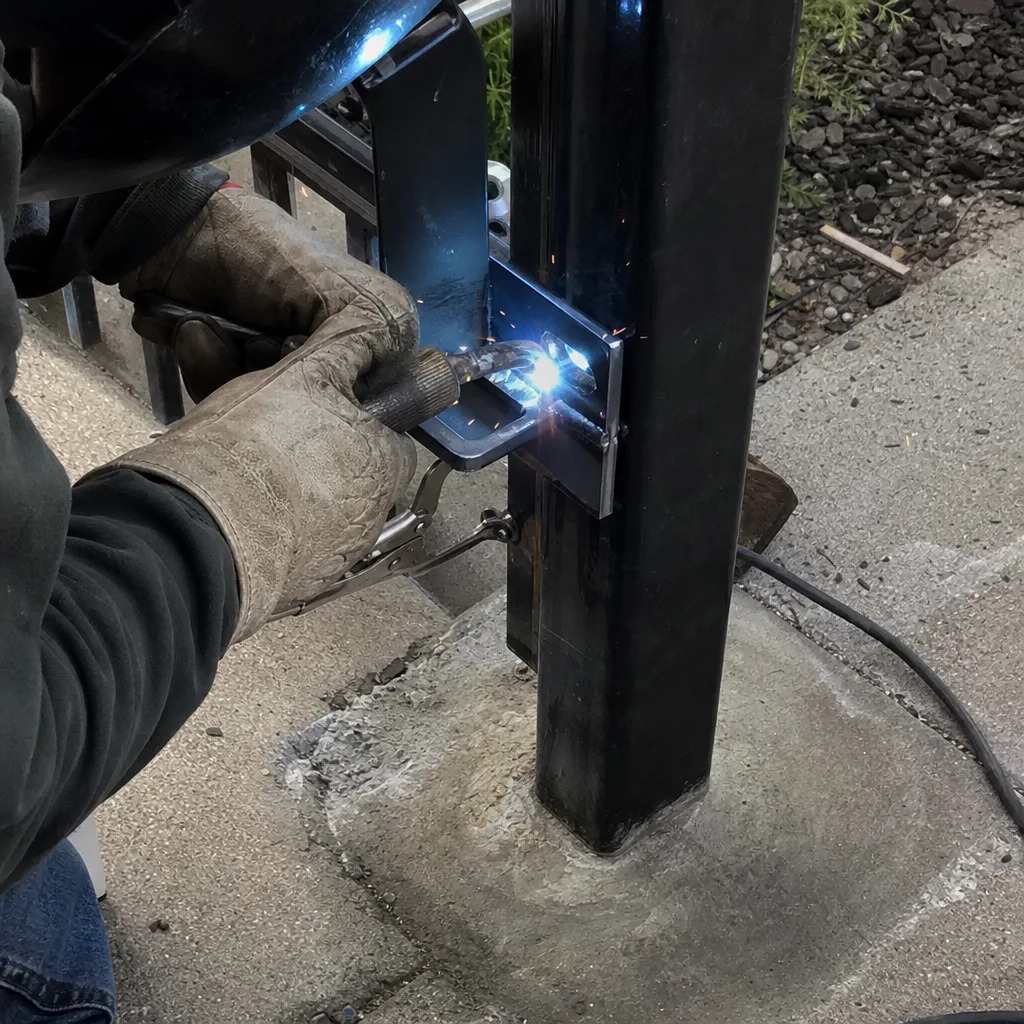
Some conditions exceed homeowner maintenance scope. Call for professional evaluation when you observe post-wobble (footing degradation), operator thermal overload (electrical or mechanical failure), chain or belt derailment (alignment or tension failure), or any gate that reverses unexpectedly or fails to close fully (safety system malfunction).
Electrical work on 110V or 230V gate operators, welding of cracked hinge or frame components, and replacement of torsion or extension spring systems on manual gates require trained technicians. These components store significant energy; improper handling causes serious injury.
Vance Gate Repair San Mateo offers free estimates in San Mateo - call (650) 293-9440. Browse more guides & resources on our blog. Every estimate includes a written price before any work starts under Haven Standard Clause 1, and every visit leaves a documented photo record under Clause 4. We service nine major automation brands including Mighty Mule, LiftMaster, FAAC, and BFT, so we repair what’s installed rather than steering toward replacement.
Frequently Asked Questions
Complete the full pre-wet protocol annually in October, perform monthly monitoring December through March, and execute dry-season maintenance April through September with emphasis on UV and dust protection. Fog-belt properties west of El Camino Real need monthly hinge inspection year-round due to salt-fog exposure.
Professional seasonal service typically runs $180-$340 for a standard residential swing or slide gate, including lubrication, hardware tightening, electrical inspection, and documentation. A new gate installation in San Mateo includes first-year seasonal maintenance in many packages. Call (650) 293-9440 for a written estimate before any work starts - estimates are free.
No. Wet-season lubricants must displace water and resist washout; dry-season lubricants must resist UV degradation and dust adhesion. Using either formula in the wrong season accelerates wear. The $15-$25 cost of seasonal-specific products prevents $200-$600 premature component replacement.
Moisture enters hinge barrels, roller bearings, and electrical enclosures in vapor form or through capillary action, not just as visible pooling. Even “dry” components may have internal corrosion or lubricant emulsification. The post-rain performance reading protocol in this guide identifies these hidden effects before they cause failure.
Operators needing limit-switch recalibration, force-setting adjustment, or component replacement (capacitors, circuit boards, gears) are repairable at 40-60% of replacement cost. Replacement indicators include: obsolete parts availability, repeated identical failures despite correct repair, or corrosion damage to the main casting. We service nine major brands including Mighty Mule, LiftMaster, FAAC, and BFT, so we evaluate repair viability before recommending replacement.
Under The Haven Standard, every Vance visit produces a written scope, a written price, and a photographed record of what was found, adjusted, and installed. Most local companies provide a verbal summary and a handwritten invoice. Our documentation habit originated in Adrian Vance’s commercial access-control work starting in 2014, where wiring diagrams and configuration records were mandatory. We apply the same standard to residential gates so no future technician guesses and no homeowner pays twice for the same diagnosis.
The Bottom Line
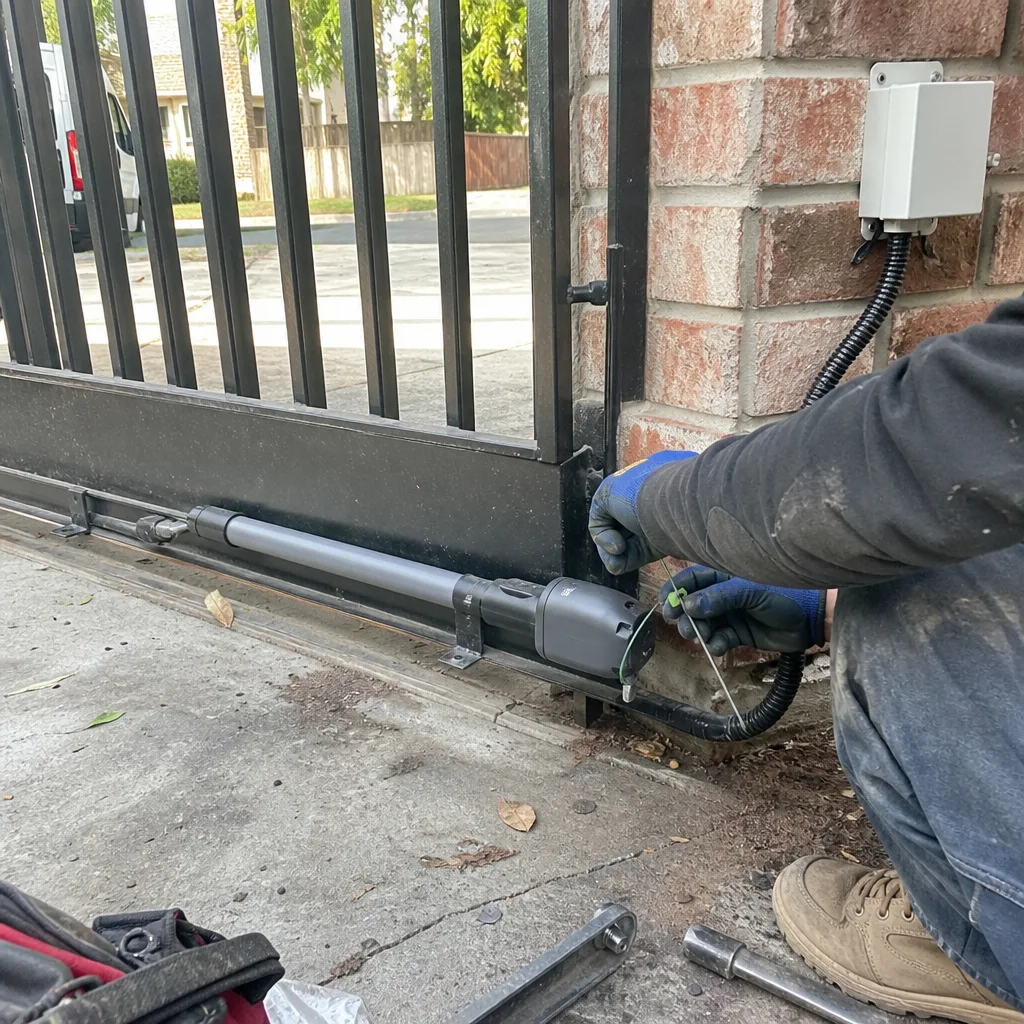
San Mateo’s concentrated wet season and extended dry season create distinct gate stress periods that demand different maintenance approaches. The October pre-wet protocol prevents the February failures we document every year. Summer fog-belt conditions in western neighborhoods require year-round vigilance, while eastern flatlands need aggressive dust and UV management. Matching lubricant to season, reading post-rain performance systematically, and maintaining a two-page seasonal log transforms reactive repair into predictive care. The homeowner who completes this protocol typically extends gate hardware life by 40-60% and eliminates emergency service calls during the most expensive season.
For a free estimate on seasonal maintenance, gate repair, or installation in San Mateo, call Vance Gate Repair San Mateo at (650) 293-9440. A live person answers 24 hours a day. Every estimate includes a written price before work begins, and every visit leaves a documented photo record under The Haven Standard.
Written by Adrian Vance, Owner at Vance Gate Repair San Mateo, serving San Mateo since 2014.